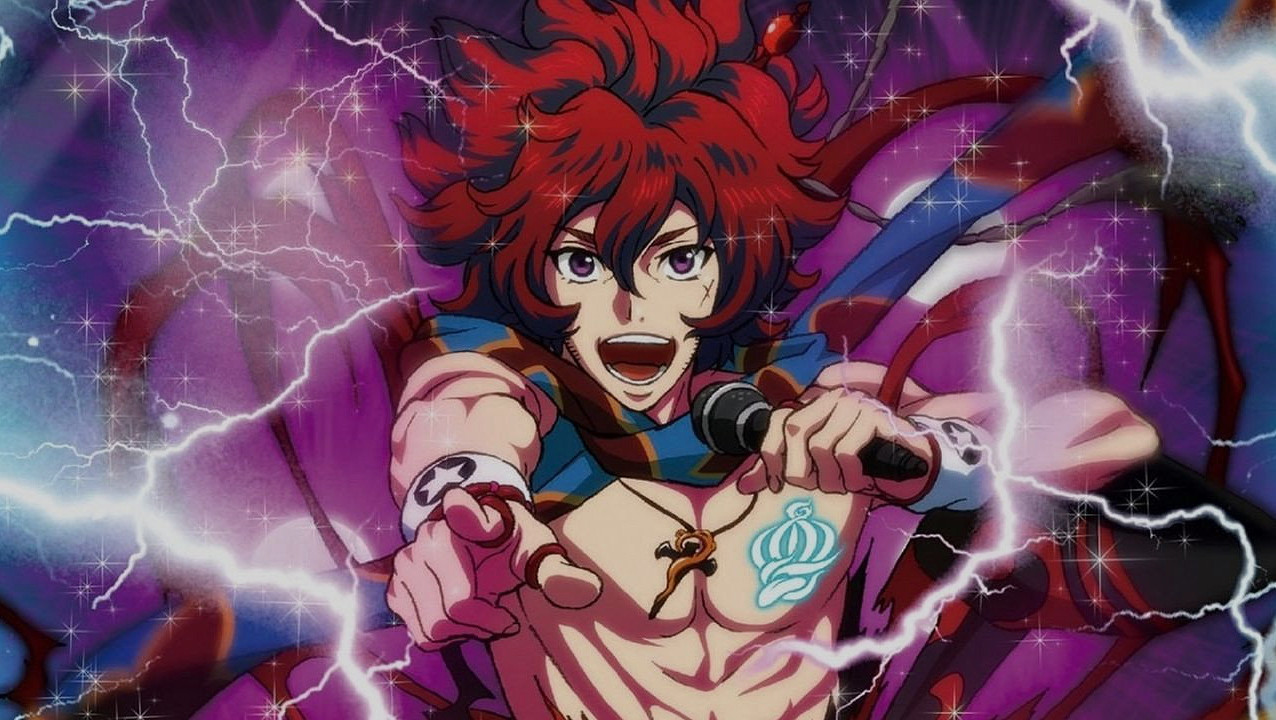
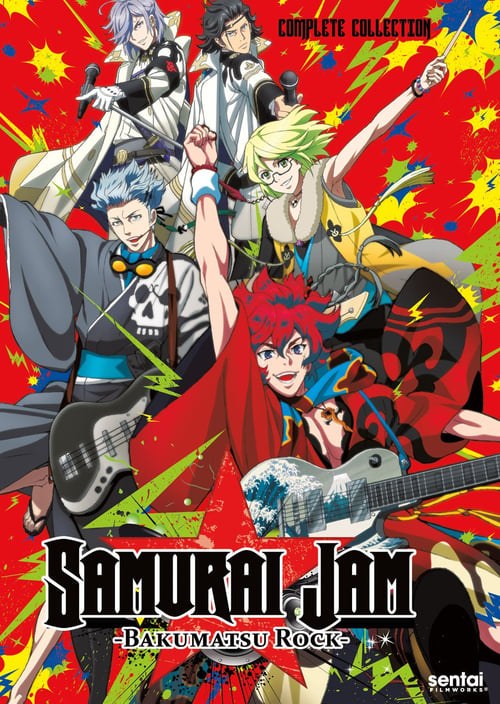
In a world where music is controlled by a dictatorial government, what can a young samurai with an electric guitar do? Bakumatsu Rock, a 2014 anime from Studio Deen, takes us back to the Bakumatsu period, but not as history books tell it. Here, samurai use not swords but music as weapons. The story of Ryoma Sakamoto, who loves rock and roll and dreams of freeing people from the forced listening of heavenly songs, will make you laugh, cry, and want to get up and rock along with them.
Plot Summary (No Spoilers)
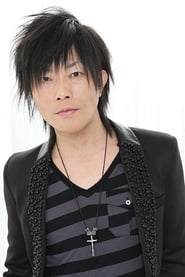
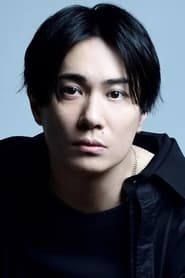
The story takes place in a topsy-turvy Bakumatsu Japan. The Shinsengumi are superstar performers of 'Heaven's Song,' which the government uses to control the people, strictly forbidding anyone from composing or singing other songs. But that's no problem for Ryoma Sakamoto (voiced by Kisho Taniyama), a young man obsessed with rock. He carries an electric guitar around town, hoping everyone can experience the true power of rock and roll. He teams up with Shinsaku Takasugi (Tatsuhisa Suzuki) and Kogoro Katsura (Showtaro Morikubo) to form a rock band challenging the old regime. Will their fight lead to musical freedom or disaster? Follow along in 12 episodes full of gags, fun songs, and passionate ideology.
Performance and Characters
The characters in Bakumatsu Rock have unique charm. Starting with Ryoma, full of rock star energy and madness, Kisho Taniyama's voice acting conveys determination and sincerity well. Shinsaku represents seriousness and hot-headedness, while Kogoro is the clown with great punchlines. The three voice actors work together perfectly, creating chemistry that makes viewers root for them. On the opposing side, Toshizo Hijikata (Toshiyuki Morikawa) and Soji Okita (Kensho Ono) have depth, not just being pure villains, especially Soji with his mysterious and intriguing side. However, some characters may be too archetypal, lacking depth.
Direction, Visuals, and Music
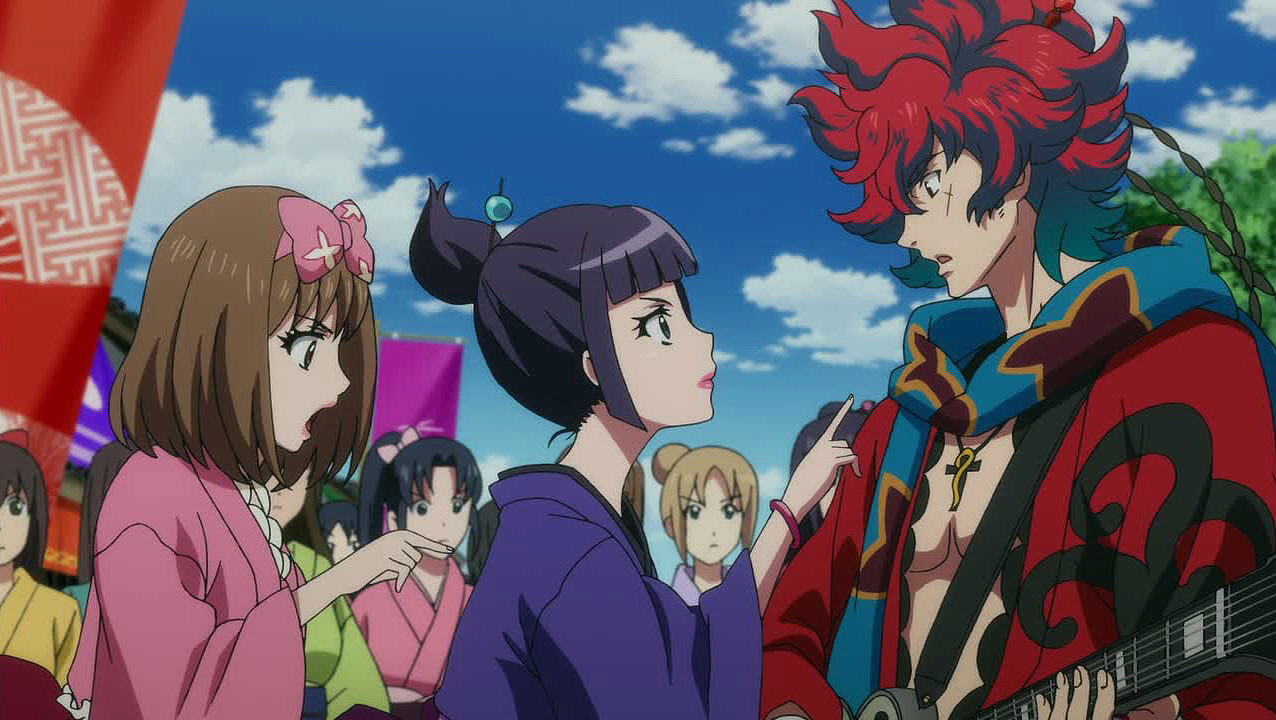
The visuals of Bakumatsu Rock have a unique style, with vibrant colors. Concert scenes are full of energy and effects that match the music's rhythm. Character designs by Shinichiro Mino (from Macross F) give characters distinct looks, though some animation movements appear stiff; overall, it's well done on a limited budget. Music is the heart of this series. The specially composed rock songs have both exciting rhythms and lyrics fitting the theme of fighting for freedom. Heaven's Song sung by the Shinsengumi has a melody so beautiful you can't help but listen repeatedly. Although some songs may be repetitive, overall the soundtrack enhances the story's emotions excellently.
Editorial Analysis
Bakumatsu Rock is not just a fun music anime; it also weaves in themes of freedom of expression and resistance against dictatorship through the symbol of 'Heaven's Song' used for mass control. The presentation through gags and fast pacing may make some viewers see it as lacking seriousness, but looking deeper, the series questions 'Who has the right to define what is good for others?' Ryoma's courage to stand up for what he loves despite risks makes viewers think about the value of having free space for expression. A downside is that some plot points are predictable, and antagonist development isn't fully realized. But for rock music fans and those who enjoy lighthearted adventures, this series offers incredible fun and inspiration.
Verdict
<strong>Bakumatsu Rock</strong> is an anime perfect for those wanting lighthearted, fun viewing with exciting rock music. Despite flaws in plot and animation, the charm of the characters and exhilarating music are enough to make you smile and root for them throughout 12 episodes. If you're a rock fan or enjoy comedic adventures without heavy drama, this one shouldn't be missed.
Screenshots
👍 Pros
- +Charming characters with great chemistry
- +Fun rock songs that fit the theme
- +Entertaining plot with themes of musical freedom
- +Vibrant colors and exciting concert scenes
👎 Cons
- −Some plot points are predictable
- −Villains lack depth and motivation
- −Some animation scenes are choppy and stiff
Top Cast



FAQ
It has 12 episodes, complete in one season.
Yes, this series is adapted from a rhythm/visual novel game by Marvelous with the same name.
It's suitable for those who like creative history but not strict realism, as characters and events are freely adapted.
Yes, soundtrack albums and singles have been released in Japan and can be found online.